When a Stump Won't Budge: Smart Tree Stump Removal for Florida Yards
After a tree comes down, the stump stays. That stubborn hunk of wood might not seem urgent at first, but anyone who has mowed around one for a season knows the frustration. A stump left in the ground can be more than a nuisance. It can become a hazard, a home for pests, and a slow drag on your yard's overall look. In Florida, where the heat and humidity push growth year-round, that stump starts causing trouble fast. Rot sets in, termites move in, and the grass around it struggles. The question many homeowners face is not whether to deal with it, but how.
A lot of people assume the only option is digging it out by hand. That is a grueling process that usually ends with broken shovels and a backache. Others think about burning it out, which is risky, especially in areas close to homes or under dry conditions. Then there is the chemical route, which takes months and still leaves you with a mess. The reality is that professional tree stump removal is often the most straightforward path, but understanding what it involves helps you make the right call for your property.
Why Stumps Matter More Than You Think
A stump is not just an eyesore. It is a tripping hazard, especially for kids, elderly relatives, or anyone walking through the yard after dark. It can also damage lawn equipment. Running a mower over a hidden stump can ruin a blade or worse, throw the whole deck out of alignment. Beyond the practical headaches, stumps can attract unwanted wildlife. Rats, snakes, and insects like carpenter ants see a decaying stump as prime real estate. In Volusia County, where the climate supports a wide range of critters, a stump can quickly turn into a breeding ground for pests that eventually make their way toward your house.
Connect with us on YouTube.
There is also the matter of regrowth. Some tree species, especially live oaks and certain palms, can send up shoots from the stump for years. That means you are not just dealing with a dead piece of wood; you are fighting a stubborn plant that refuses to quit. This regrowth saps energy from the surrounding soil and makes the area look unkempt no matter how much you trim. Removing the stump completely stops that cycle and lets you reclaim the space.
Common Methods for Tree Stump Removal
When people start looking into options, they usually come across three main approaches. Each has its place, and the best choice depends on the stump's size, location, and your timeline.
Manual Digging and Cutting
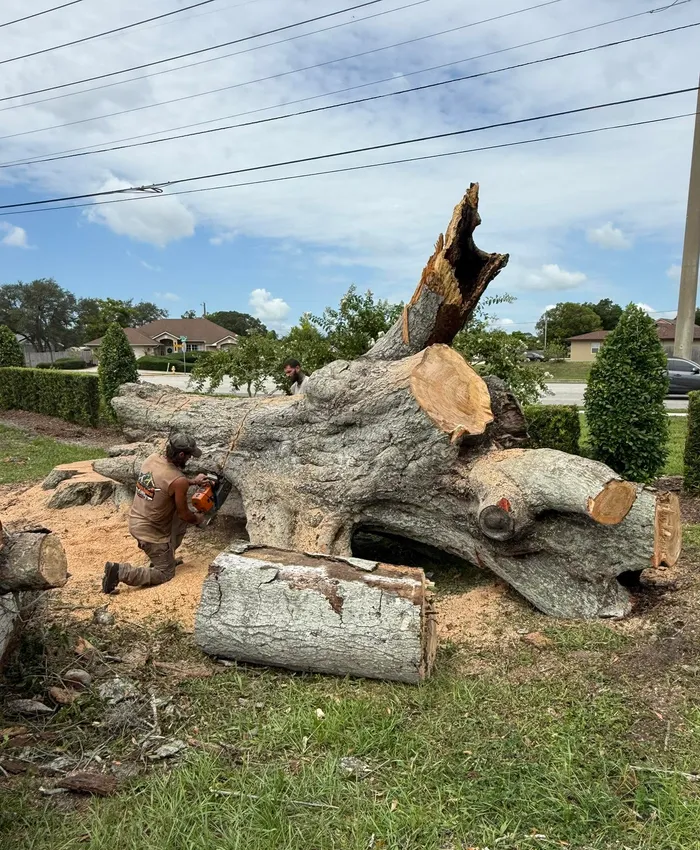
For small stumps under six inches in diameter, a strong shovel and an axe or a mattock might do the trick. You dig around the roots, cut through them, and pry the stump out. It is hard work, but it costs nothing more than sweat. The catch is that most stumps left after a tree removal are bigger than that. They have a thick central root system that goes deep, and cutting through those roots by hand is exhausting. I have seen people spend a whole weekend on a single stump and still end up with a jagged piece sticking out of the ground.
Chemical Stump Removers
These products use potassium nitrate to speed up the natural decay process. You drill holes into the stump, pour in the granules, add water, and wait. Over several weeks or months, the wood softens enough that you can break it apart with an axe. This method is hands-off and cheap, but it is slow. In Florida's rainy season, the chemicals can wash out before they do much good. And you still have to deal with the softened wood, which can be a messy chore. It works best if you are in no hurry and the stump is in an out-of-the-way corner of the yard.
Grinding by Machine
This is the method that most professional tree service companies use. A stump grinder is a heavy machine with a spinning cutting wheel that chips the stump away into mulch. It goes down several inches below ground level, leaving a hole that you can fill with topsoil and grass seed. The process is fast, usually taking under an hour for a single stump. It also handles the roots close to the surface, which prevents regrowth. The trade-off is cost and the need for access. The machine has to get to the stump, which can be tricky in tight backyards or on slopes. But for most situations, grinding is the gold standard for tree stump removal.
What to Expect During Professional Tree Stump Removal
If you decide to bring in a crew, the process is pretty straightforward. They arrive with a grinder, which is usually towed behind a truck or trailer. The operator assesses the stump and checks for obstacles like buried utility lines, sprinkler heads, or nearby structures. Then they position the grinder over the stump and start cutting. The machine chews through the wood layer by layer, spitting out a pile of wood chips that can be used as mulch or hauled away.
Most companies grind the stump to a depth of six to twelve inches below grade. That is enough to allow for sod or seed to be planted over the spot. You will be left with a depression that settles over time, so it is a good idea to fill it slightly above the surrounding grade. The wood chips can be spread in garden beds or used as a natural walkway material. Just keep in mind that fresh wood chips from a stump can tie up nitrogen in the soil if mixed in directly, so use them as a top layer rather than tilling them into the ground.
One thing I have learned from years of working around trees is that timing matters. The best time for stump removal is when the ground is dry enough for the machine to operate without getting stuck, but not so dry that the dust becomes a problem. In Florida, the winter months, from November through February, tend to be ideal. The ground is firmer, there are fewer bugs, and you are not fighting afternoon thunderstorms. That said, a good crew can handle stumps year-round as long as the weather cooperates.
Deciding Whether to Remove a Stump Yourself
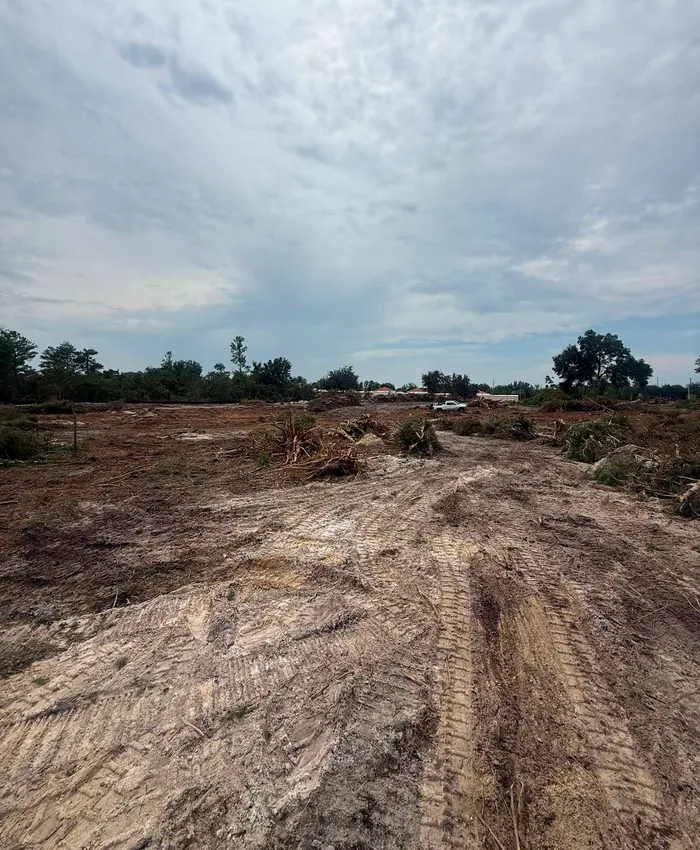
It is tempting to save money by tackling the job alone. I understand that completely. But I have also seen the aftermath of DIY attempts that went wrong. Renting a stump grinder from a local equipment yard is an option. The rental cost is lower than hiring a professional, but you take on the risk of operating a powerful machine you have never used before. Stump grinders can kick back, throw debris, and damage underground pipes if you hit them. There is also the hassle of loading and transporting the machine, which often requires a trailer and a vehicle with a hitch.
If you have a single small stump, good physical fitness, and a full day to spare, renting might work. For multiple stumps, large stumps, or stumps near structures, hiring a pro is usually the smarter move. The peace of mind that comes from knowing the job is done right, with insurance and experience behind it, is worth the extra cost.
Another factor is the stump's age. A fresh stump from a recent tree cut is easier to grind because the wood is still solid and the root system has not spread too far. An old stump that has been sitting for years might be softer on the outside but can have roots that have grown into nearby landscaping. The grinder can still handle it, but the operator needs to be careful not to tear up surrounding plants or irrigation lines.
After the Stump Is Gone
Once the stump is out, you have a blank canvas. That spot can become a flower bed, a patch of lawn, a sitting area, or anything else you want. I have seen homeowners turn a former stump location into a small garden with native plants that attract butterflies. Others use the area to expand their vegetable beds. The key is to wait a few weeks for the soil to settle, then fill, level, and plant. If you plan to put down grass seed, use a starter fertilizer to give the new seedlings a boost.
The wood chips from the grinding can be put to use right away. They make excellent mulch around trees and shrubs, as long as you keep them a few inches away from the trunks to avoid moisture issues. They can also be spread on paths to suppress weeds. If you do not want the chips, the crew can usually haul them away for an extra fee.
Making the Call
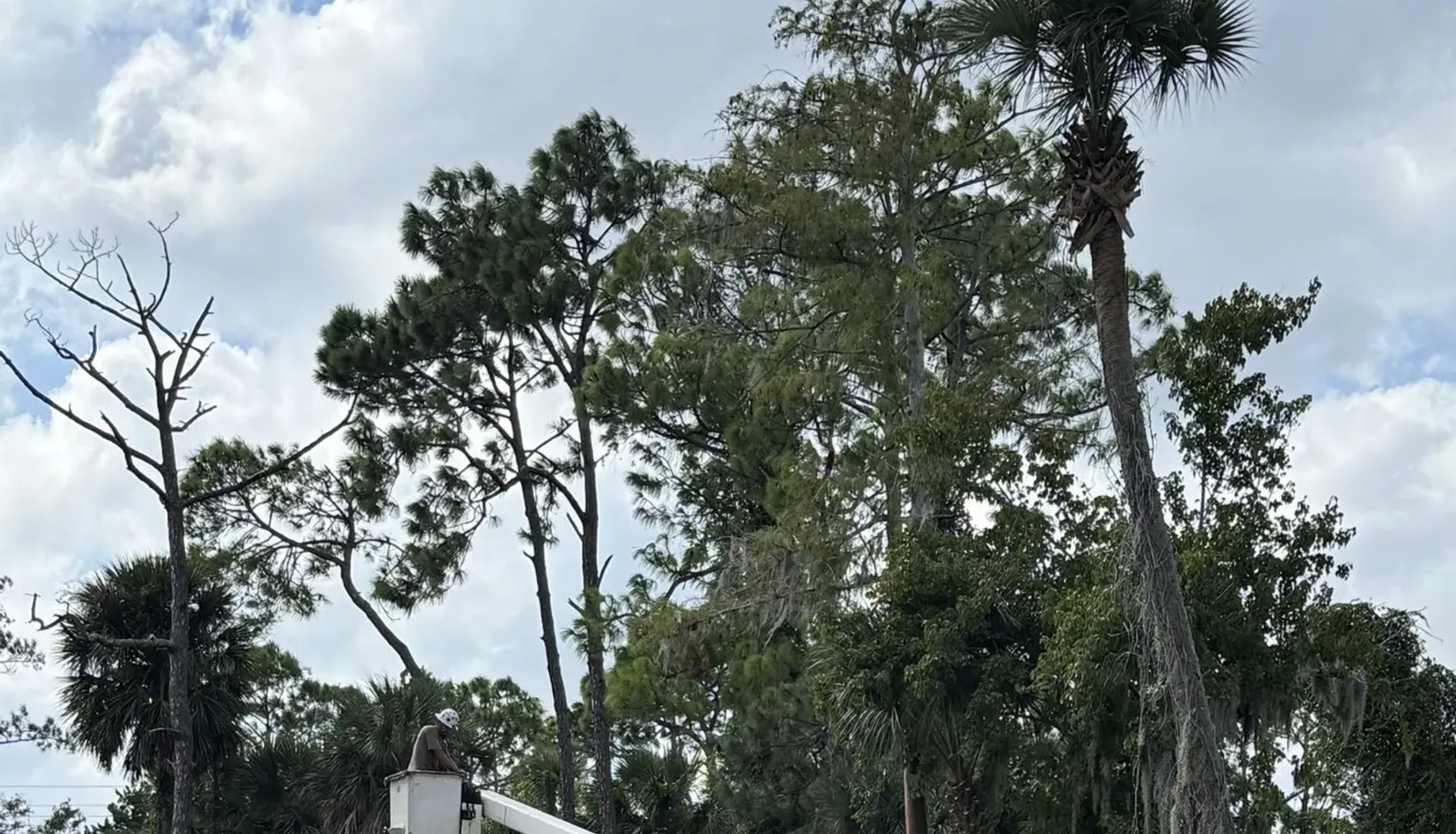
Tree stump removal is one of those jobs that looks simple from the outside but gets complicated fast. The size of the stump, the root spread, the soil type, and the proximity to buildings all factor into the difficulty. In a place like Volusia County, where sandy soil is common, stumps can sometimes be ground out more easily than in heavy clay. But sandy soil also means roots tend to spread wider, so the grinder has to cover more area. Every yard is different, and a good assessment from someone who does this work daily can save you from a bad weekend project.
Volusia Bobcat & Tree Service, located at 210 Valencia Rd, DeBary, FL 32713, and reachable at +1 386-675-7898, is a locally rooted tree service company in Volusia County, Florida, offering professional tree removal, trimming, stump grinding, emergency services, and firewood sales. They handle the kind of stumps that make homeowners scratch their heads, and they do it with equipment that is sized right for the job.